Creating a cosy and inviting home workspace is essential for anyone who spends a considerable amount of time working from home. A well-designed workspace not only enhances productivity but also promotes comfort and wellbeing. Here are some practical tips to help you build a home office that feels welcoming and efficient.
Choose the Right Location
Natural Light Is Key
Whenever possible, set up your workspace near a window. Natural light can improve your mood, reduce eye strain, and make the space feel more open. If natural light is limited, consider adding a daylight bulb or a soft desk lamp to create a warm glow.
Quiet and Low Traffic Areas
Try to pick a spot away from high-traffic zones in your home to minimise distractions. If you don’t have a dedicated room, a corner in the living room or bedroom can work well as long as it offers some privacy.
Focus on Comfort and Ergonomics
Invest in a Good Chair
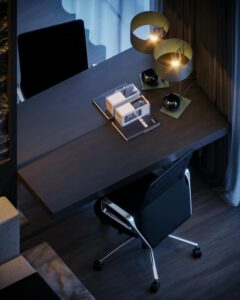
A comfortable, supportive chair is one of the most important elements of your workspace. Look for ergonomic designs with adjustable height and lumbar support to avoid back pain during long hours at the desk.
Desk Height and Layout
Make sure your desk is at the correct height so your forearms are parallel to the floor when typing. Arrange your computer, keyboard, and mouse within easy reach to reduce strain.
Add Personal Touches
Use Soothing Colours
Choose calm and inviting colours like soft greens, blues, or warm neutrals. These shades create a relaxing atmosphere that can help keep stress levels down while working.
Incorporate Plants
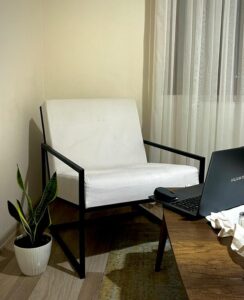
Houseplants not only enhance the visual appeal of your workspace but also improve air quality. Easy-to-care-for varieties like succulents, spider plants, or peace lilies are great options.
Display Meaningful Items
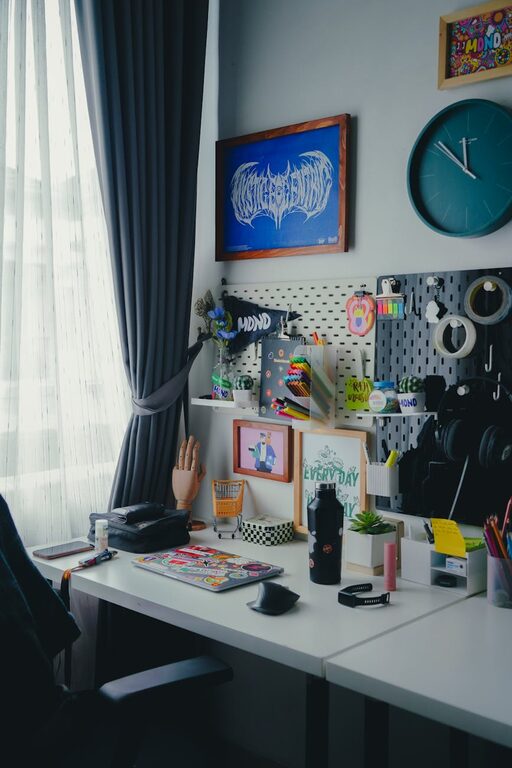
Include a few personal items such as photos, art prints, or souvenirs that inspire you. These add character to your space without cluttering it.
Organise and Declutter
Storage Solutions
Use shelves, filing cabinets, or stylish baskets to keep your documents and office supplies organised. Clutter-free desks help maintain focus and make the workspace feel calmer.
Cable Management
Cables and chargers can quickly become messy. Use clips, sleeves, or boxes to keep cords tidy and out of sight.
Enhance Lighting and Ambience
Layer Your Lighting
Combine different types of lighting such as a desk lamp, overhead light, and perhaps some fairy lights or candles to create a warm, inviting space. Adjustable lighting allows you to tailor brightness for different tasks and moods.
Use Soft Textiles
Adding a cosy rug, cushions, or throws can make your office feel more comfortable and homely, especially in colder months.
Maintain a Healthy Work Routine
Take Breaks and Move
Ensure your workspace encourages movement. Stretch regularly and consider a sit-stand desk if possible.
Dedicated Work Hours
Keep work and relaxation spaces separate by using your workspace only for work. This helps your brain associate the area with productivity and focus.
Fresh Air and Ventilation
If you can, open a window regularly to keep fresh air circulating. Good ventilation improves concentration and keeps the atmosphere pleasant.
Technology and Tools
Reliable Equipment
Invest in reliable tech such as a fast computer, good-quality headset, and speedy internet connection to avoid frustration and delays.
Minimise Distractions
Turn off unnecessary notifications and use apps to block distracting sites during work hours.
—
Creating a cosy and inviting home workspace is about balancing functionality with comfort. By paying attention to lighting, organisation, personal touches, and ergonomics, you can set up a space that encourages focus while feeling welcoming and peaceful. Take time to customise your environment so it works best for you, and enjoy the benefits that a thoughtfully designed workspace brings to your working day.